No, Stop, Go…
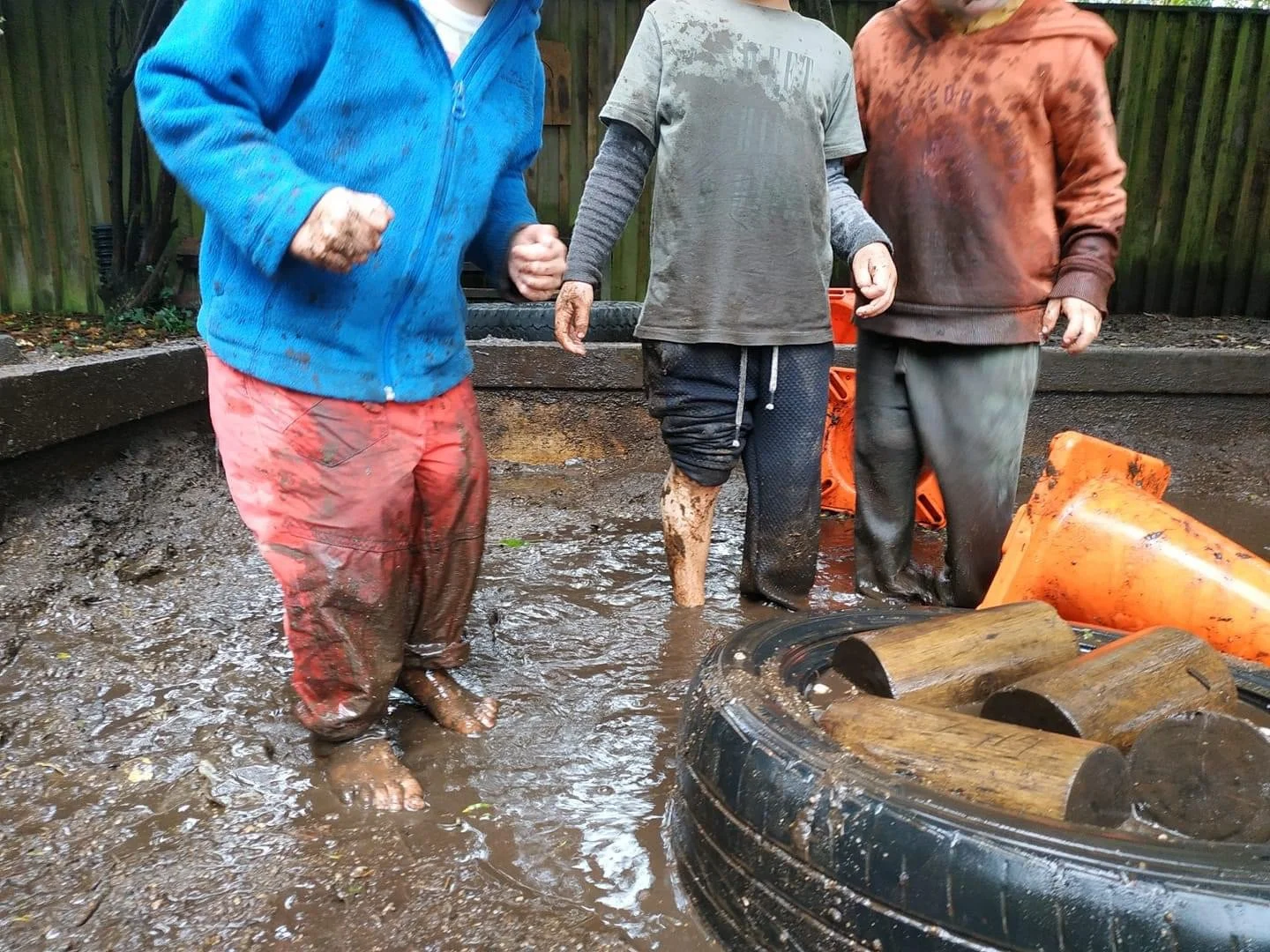
“What fun you’ve had! Look at that wonderful mud. We are getting ready for lunch, go and get changed”
Preparing Your Child for Kindergarten Life
Before entering kindergarten, a young child is preparing to live alongside others. In a Steiner setting, this means learning through movement, rhythm, imitation and relationship. It is about knowing how to move one’s body in shared space and respond to gentle guidance.
Three simple words help build this foundation at home: No. Stop. Go.
These words are most powerful when used intentionally. It is helpful for both the child and the kaiako who will nurture them in the community group setting if they have heard these words before, and have been guided by their whānau to begin to understand what they mean (not in a cognitive sense, but with loving boundaries that are lived, experienced).
No is for boundaries that are not negotiable. Safety. Respect. Clear edges. When you say no, mean it. Say it calmly. Hold it. And follow it with what the child can do.
“No, I won’t let you hit. You may use gentle hands.”
“No, that’s not for throwing. You may throw the ball outside.”
The boundary closes one door and opens another. This shapes the will without shaming it.
Stop should be used sparingly. It carries urgency. Use it when your child must listen immediately because someone or something is in their space and harm could occur.
When stop is reserved for real need, it keeps its power. The child learns that this word matters. Over time, they begin to build their own inner pause.
Go activates the will. It is clear, confident direction.
“We are getting ready for lunch, go and get changed.”
“Go and get your pōtae (hat).”
“Go and put your shoes by the door.”
This is not forceful. It is grounded leadership. The child relaxes when the adult knows what is needed. Clear direction builds initiative and confidence in action.
When these three words are balanced, they create rhythm: Boundary. Pause. Movement.
If your child is still learning these capacities, that is simply developmental information. If you are moving toward kindergarten or ECE, let your child’s kaiako know where support is needed.
As you prepare to settle your tamaiti into ECE we encourage whānau to share with us:
Where boundaries are hard.
Where stopping is difficult.
Where encouragement helps.
This is true partnership. When home and kindergarten work together, your tamaiti is supported to grow steadily into community life — and into the best version of themselves.