When is a child ready for school?
One of the most tender conversations we have with whānau is the one about transition: when the time comes for a tamariki to move on from kindergarten and into the next stage of their education. It is a conversation we hold carefully, and always in partnership.
At Four Seasons, we do not use age alone as our guide. The fact that a child is turning five does not automatically mean they are ready for school, and we would be doing both the child and their whānau a disservice if we pretended otherwise. Readiness is not a birthday. It is something we observe, over time, together.
So what do we look for? We watch how a child manages their own belongings: can they find their bag, put on their shoes, hang up their coat without being reminded? We notice how they move through conflict with their peers: can they stay in play when things get hard, or do they need a kaiako close by to hold the space for them? Can they give their attention to something for a sustained period, longer than our unhurried kindergarten rhythm requires? These are not tick-box assessments. They are the quiet, careful observations that kaiako and whānau build together through trust and honest conversation.
Educator and researcher Nathan Mikaere-Wallis has spoken candidly about what tamariki between the ages of three and seven actually need in order to develop well. His core argument is that pushing young children toward early academic learning will not improve their long-term chances of success; what matters far more is the development of strong social and emotional foundations. That interview was recorded over a decade ago, and if anything its message feels more urgent now, not less. We are seeing tamariki arrive with fewer hours of open, unstructured play behind them and more hours of screen time, and the difference shows in their capacity to engage, to imagine, and to navigate the social world of childhood.
This is not about alarm. It is about understanding. And it is why we take the transition conversation seriously, why we take our time with it, and why we take it together with you.
If you would like to listen to Nathan Mikaere-Wallis speak on this topic, you can find the RNZ interview here: What 3 to 7 year olds need to learn
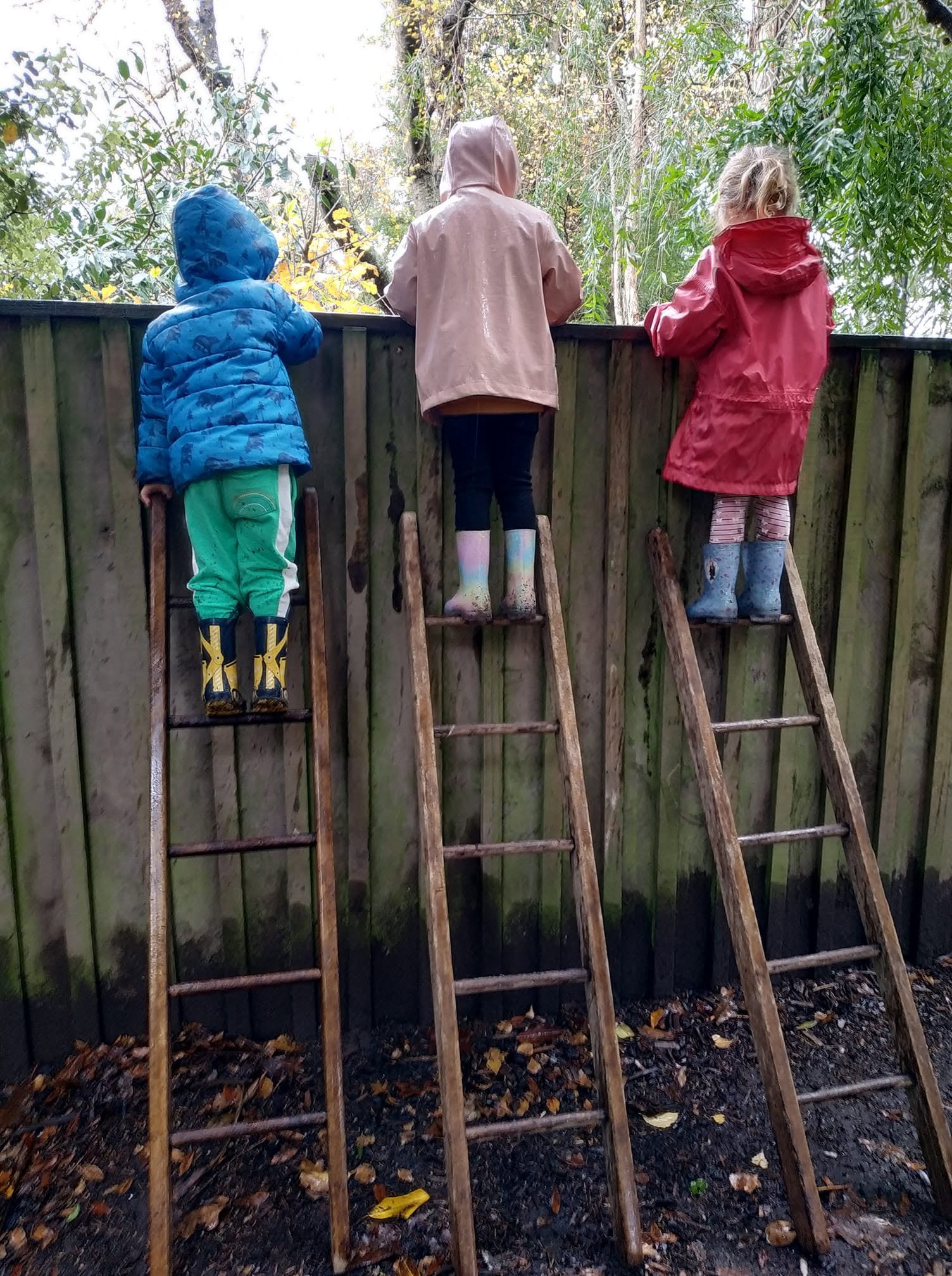
Give them time for an unhurried childhood full of exploration.