Open eyes, ears, and hearts
How Our Tamariki Learn Through Imitation
One of the most remarkable things about children in their first seven years of life is how completely open they are to the world around them. They are, in the truest sense, whole-body learners, absorbing not just what is directed at them, but everything they see, hear, feel, and witness in the spaces they move through. Rudolf Steiner spoke of this beautifully: young children do not yet have a filter between themselves and the world. They take it all in.
Intensity met with curiosity
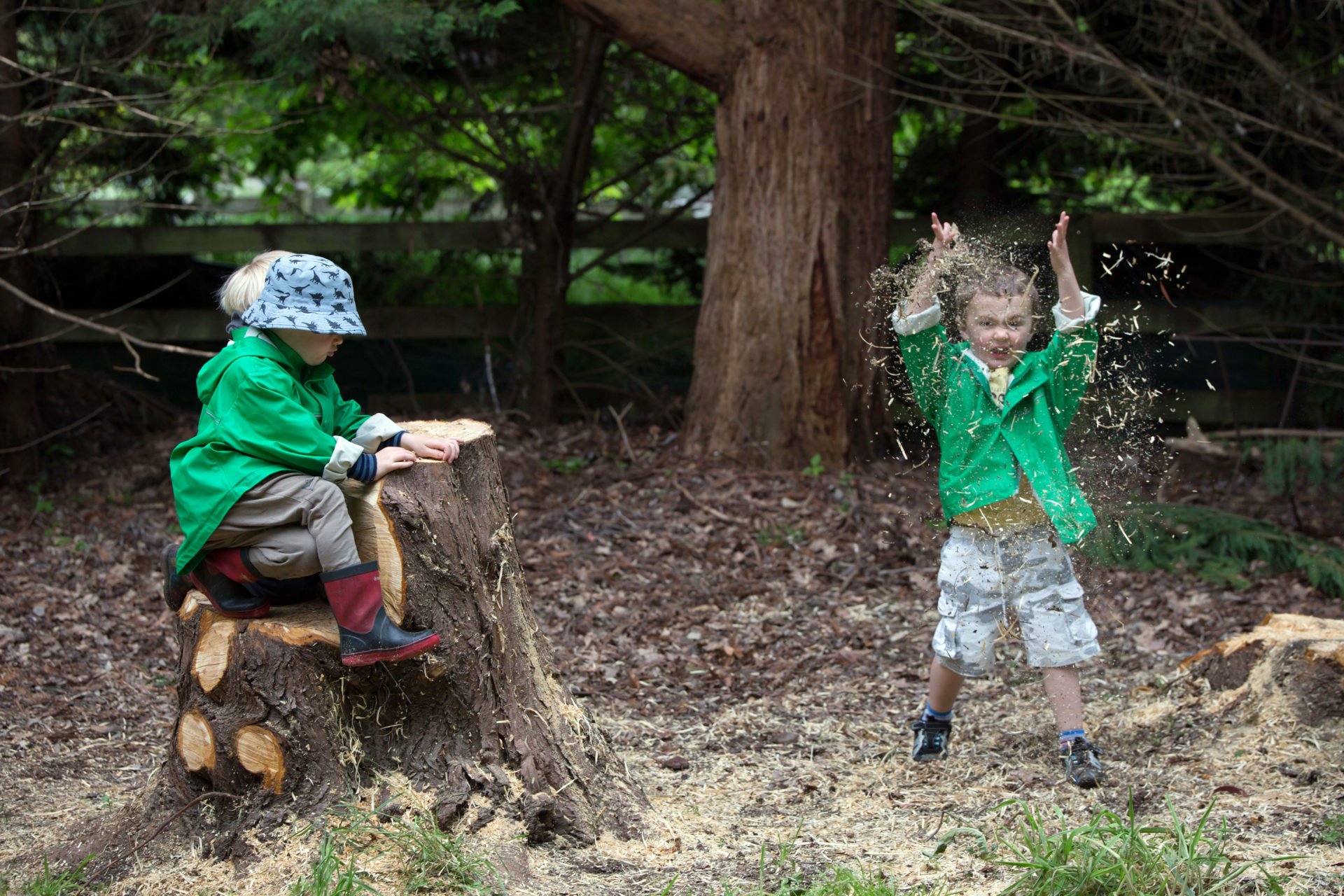
This means that imitation is their primary way of learning. They watch how the adults around them speak to one another, how a friend reaches for something they want, how someone responds when they feel frustrated. And then, often when you least expect it, they try it on for themselves.
Here at Four Seasons, our kaiako are deeply mindful of this. We strive to be worthy of imitation in how we speak, how we move, how we care for one another and our environment. But we also want to be honest with you: your tamariki will bring home things from kindy that is outside your whānau values. A new word. A gesture. A way of responding to something they didn't like. This is not a failure of the kindergarten or of your whānau. It is simply the nature of learning in community.
A child might see a peer throw their food at the table because they didn't want what was on their plate. They come home and try the same thing, watching carefully to see what happens. Or they arrive at breakfast using a salty word or phrase that makes you raise an eyebrow.
These moments are actually a gift.
They are your invitation, as the most important people in your child's world, to lay the bedrock of your family's values. Not through punishment or shame, but through gentle, clear guidance that keeps your child safe in their relationship with you.
When a new word appears that doesn't sit right with your whānau, you might say: "I hear that you're upset, and in our family, when we feel that way, we can say this... or this... or this." You are not condemning what they heard; you are simply offering them something better to hold onto. What’s more, you are not making the other child, or person who doesn’t hold the same values as you, wrong. This keeps the integrity of relationship in community intact for your child.
When a behaviour appears that's outside what your family values, you can meet it with curiosity before correction: "I wonder where you saw that? What happened next?" And then, with warmth: "In our whānau, we do it like this."
Your home is their safe place to try on different ways of being. They are not misbehaving. They are rehearsing. They are scientists of the social world, running experiments, and you are the most important result they are waiting for.
And through all of it, the most powerful thing you can offer is this: your love is not conditional on them getting it right. Nothing they bring home from the world, no word, no behaviour, no muddy experiment in being human, is worth withdrawing your warmth and your presence. Secure attachment is the ground from which all growth happens. When tamariki know they are safe with you, they can afford to learn.
You are not just raising a child. You are shaping the inner life of a person. What a privilege, a responsibility and a joy that is.
Blog written by Traceylee Hooton